
State licensing guide
How To Become a Phlebotomy Technician In Hawaii 2025
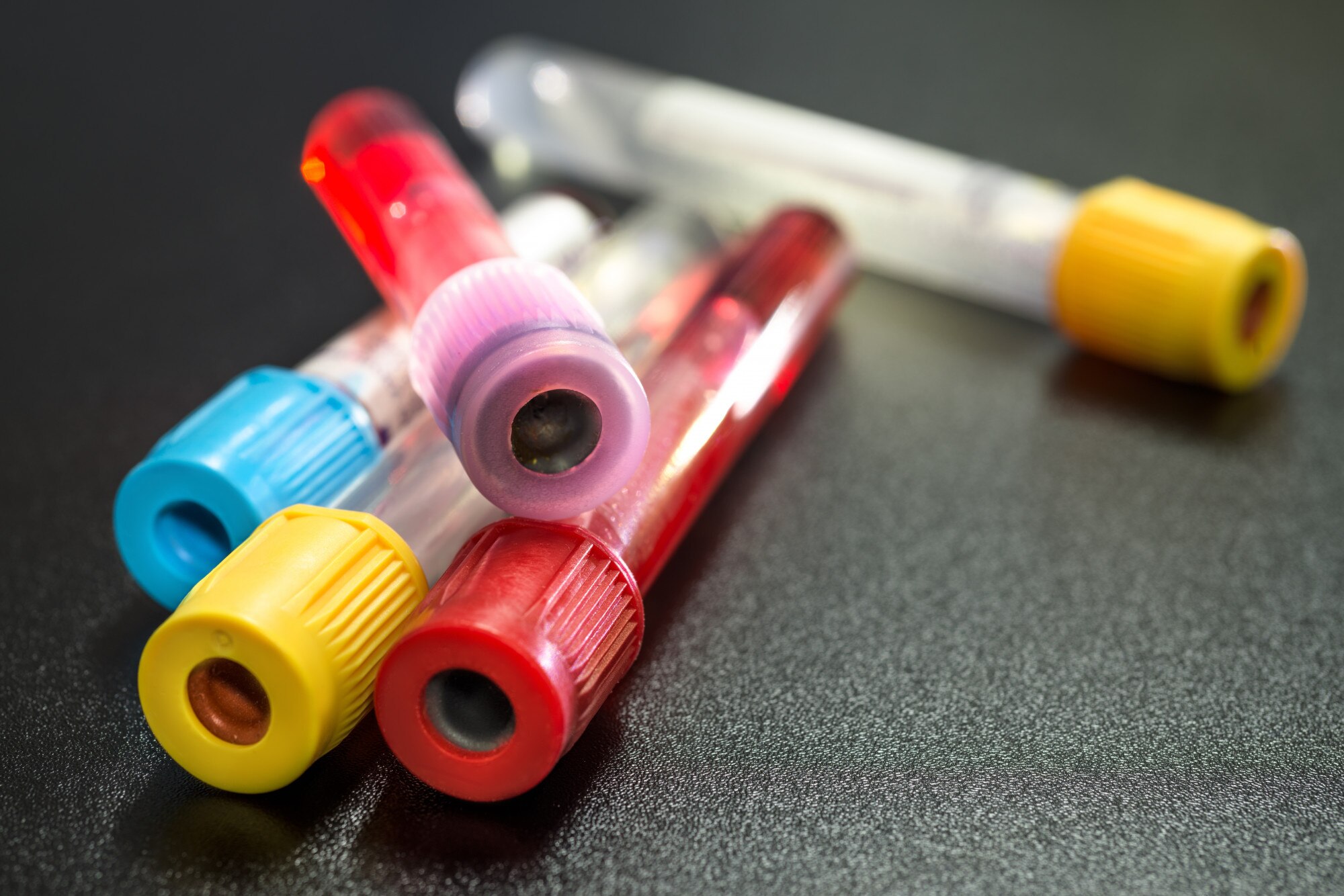
Comprehensive guide on how to become a phlebotomy technician in Hawaii, including education requirements, licensing, certification, and career outlook.
Step By Step Guide To Become A Phlebotomy Technician In Hawaii 2025
Step 1: Understand the Role of a Phlebotomy Technician
A phlebotomy technician primarily draws blood for tests, transfusions, research, or blood donations. Understanding this role is essential to ensure alignment with career goals. Phlebotomy involves interacting with patients, maintaining records, and adhering to safety protocols. Further details can be found on the Hawaii Department of Health website.
Step 2: Complete a High School Diploma or GED
Completion of a high school diploma or a General Educational Development (GED) certificate is mandatory as it forms the foundational requirement for enrolling in further phlebotomy training programs.
Step 3: Enroll in an Accredited Phlebotomy Training Program
Enroll in a phlebotomy training program approved by the National Accrediting Agency for Clinical Laboratory Sciences (NAACLS) or other recognized bodies. These programs typically last between 4 to 8 months and cover essential skills such as venipuncture technique, human anatomy, and safety practices. Community colleges and vocational schools across Hawaii, including Honolulu Community College, offer such programs. Tuition fees may range from $700 to $1,500, depending on the institution.
Step 4: Complete Required Clinical Training
Engage in clinical training during your program, which is necessary for hands-on experience. This involves drawing blood from actual patients under supervision, ensuring compliance with Hawaii's health and safety standards. The state requires completion of a specific number of venipunctures and skin punctures, which is typically stipulated by the training program.
Step 5: Obtain National Certification
Although not mandatory in Hawaii, obtaining certification can enhance employment prospects and credibility. Consider certifications from reputed organizations such as the American Society for Clinical Pathology (ASCP), with a certification fee of around $135. Preparing involves written and practical exams.
Step 6: Apply for Employment as a Phlebotomy Technician
Begin searching for employment in Hawaii’s healthcare facilities such as hospitals, laboratories, and clinics. Job portals and direct applications to healthcare institutions are effective methods. Entry-level salaries in Hawaii typically start at around $32,000 annually.
Step 7: Maintain Certification and Continuing Education
Engage in continuous education and re-certification as required by certifying agencies, usually every three years. This ensures skills remain updated with the latest medical and technological advancements.
Helpful Resources
- Hawaii Department of Labor and Industrial Relations: Provides information on employment prospects and labor laws.
- National Center for Competency Testing (NCCT): Offers certification details for aspiring phlebotomists.
Proper adherence and successful completion of each step pave the way to a career as a phlebotomy technician in Hawaii, addressing the state's healthcare needs and contributing to public health services.
Licensing Guides for Other States
- How to Become a Phlebotomy Technician In Alabama
- How to Become a Phlebotomy Technician In Alaska
- How to Become a Phlebotomy Technician In Arizona
- How to Become a Phlebotomy Technician In Arkansas
- How to Become a Phlebotomy Technician In California
- How to Become a Phlebotomy Technician In Colorado
- How to Become a Phlebotomy Technician In Connecticut
- How to Become a Phlebotomy Technician In Delaware
- How to Become a Phlebotomy Technician In District of Columbia
- How to Become a Phlebotomy Technician In Florida
- How to Become a Phlebotomy Technician In Georgia
- How to Become a Phlebotomy Technician In Idaho
- How to Become a Phlebotomy Technician In Illinois
- How to Become a Phlebotomy Technician In Indiana
- How to Become a Phlebotomy Technician In Iowa
- How to Become a Phlebotomy Technician In Kansas
- How to Become a Phlebotomy Technician In Kentucky
- How to Become a Phlebotomy Technician In Louisiana
- How to Become a Phlebotomy Technician In Maine
- How to Become a Phlebotomy Technician In Maryland
- How to Become a Phlebotomy Technician In Massachusetts
- How to Become a Phlebotomy Technician In Michigan
- How to Become a Phlebotomy Technician In Minnesota
- How to Become a Phlebotomy Technician In Mississippi
- How to Become a Phlebotomy Technician In Missouri
- How to Become a Phlebotomy Technician In Montana
- How to Become a Phlebotomy Technician In Nebraska
- How to Become a Phlebotomy Technician In Nevada
- How to Become a Phlebotomy Technician In New Hampshire
- How to Become a Phlebotomy Technician In New Jersey
- How to Become a Phlebotomy Technician In New Mexico
- How to Become a Phlebotomy Technician In New York
- How to Become a Phlebotomy Technician In North Carolina
- How to Become a Phlebotomy Technician In North Dakota
- How to Become a Phlebotomy Technician In Ohio
- How to Become a Phlebotomy Technician In Oklahoma
- How to Become a Phlebotomy Technician In Oregon
- How to Become a Phlebotomy Technician In Pennsylvania
- How to Become a Phlebotomy Technician In Rhode Island
- How to Become a Phlebotomy Technician In South Carolina
- How to Become a Phlebotomy Technician In South Dakota
- How to Become a Phlebotomy Technician In Tennessee
- How to Become a Phlebotomy Technician In Texas
- How to Become a Phlebotomy Technician In Utah
- How to Become a Phlebotomy Technician In Vermont
- How to Become a Phlebotomy Technician In Virginia
- How to Become a Phlebotomy Technician In Washington
- How to Become a Phlebotomy Technician In West Virginia
- How to Become a Phlebotomy Technician In Wisconsin
- How to Become a Phlebotomy Technician In Wyoming