Careers
Phlebotomist Salary and Careers
How Much Does a Phlebotomist Make?
The median phlebotomist salary was $45,230 a year in May 2025, or $21.75 an hour, according to the Bureau of Labor Statistics. The middle half of the 143,540 phlebotomists in the U.S. earned between $38,190 and $48,930. Pay runs highest in California ($56,040 median) and lowest in Louisiana ($36,120), so where you work moves your pay more than almost anything else.
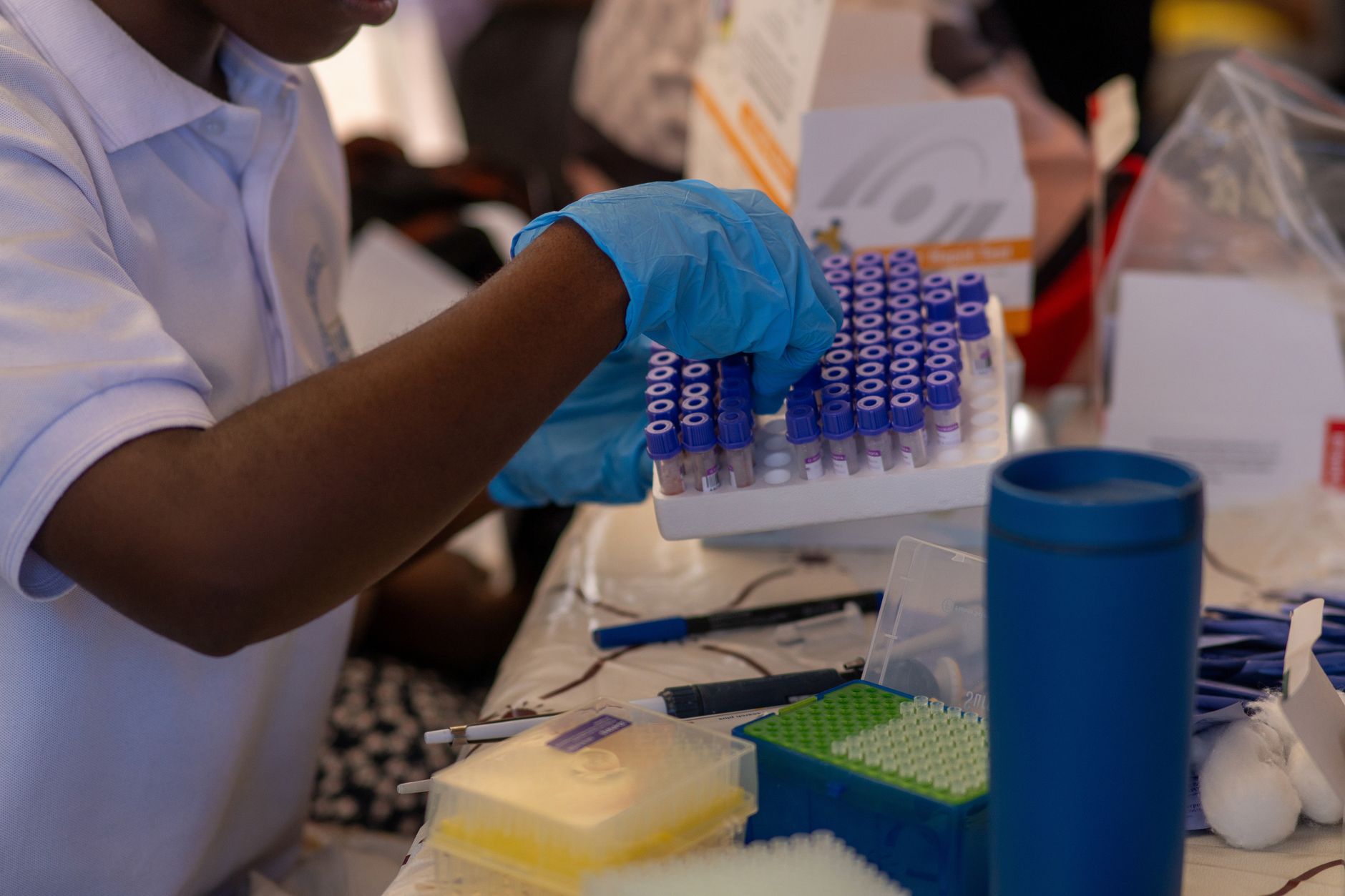
The National Phlebotomist Salary in Numbers
The Bureau of Labor Statistics surveys employers every year for its Occupational Employment and Wage Statistics. In the May 2025 release, phlebotomists (occupation code 31-9097) earned:
| Measure | Annual pay |
|---|---|
| 10th percentile | $35,780 |
| 25th percentile | $38,190 |
| Median | $45,230 |
| Mean | $45,520 |
| 75th percentile | $48,930 |
| 90th percentile | $58,780 |
The median works out to $21.75 an hour, and 143,540 people held the job.
What those numbers mean for you: half of all phlebotomists earn more than $45,230 and half earn less. The middle half sits in a fairly tight band, $38,190 to $48,930. That’s a narrow band for a national figure, and the state tables below show why: pay depends heavily on location. Moving to a better-paying state or into a different kind of phlebotomy job changes your pay more than anything inside a single market.
Phlebotomy Starting Pay: Where New Phlebotomists Land
The BLS figures cover everyone in the job, from first-week hires to 20-year veterans. If you’re new, plan from the lower end of the range: 10% of phlebotomists earn less than $35,780 a year, and a quarter earn less than $38,190.
Two things push a first paycheck up:
- Your state. A new phlebotomist in a high-paying state can out-earn an experienced one in a low-paying state. California’s 10th percentile, $45,490, is about the national median.
- Your credential. Employers often ask for a national certification, and four states were confirmed to require a state credential: California, Louisiana, Nevada and Washington. Holding the right one widens the jobs you can apply for. The phlebotomy certification guide compares the four national exams.
Phlebotomist Salary by State
State medians from the same May 2025 release run from $36,120 in Louisiana to $56,040 in California.
| State | Median annual pay | Median hourly | Employed |
|---|---|---|---|
| California | $56,040 | $26.94 | 13,520 |
| District of Columbia | $51,980 | $24.99 | 180 |
| New York | $50,530 | $24.29 | 6,400 |
| Massachusetts | $50,170 | $24.12 | 2,580 |
| Oregon | $49,160 | $23.63 | 1,800 |
| Washington | $48,880 | $23.50 | 2,820 |
| New Hampshire | $48,660 | $23.40 | 630 |
| New Jersey | $48,650 | $23.39 | 5,230 |
| Texas | $40,450 | $19.45 | 12,820 |
| Florida | $40,230 | $19.34 | 10,220 |
| Ohio | $39,770 | $19.12 | 5,120 |
| Alabama | $37,220 | $17.89 | 2,350 |
| Mississippi | $36,290 | $17.45 | 1,200 |
| Louisiana | $36,120 | $17.36 | 3,410 |
A few patterns stand out. The highest medians are mostly on the West Coast and in the Northeast. Texas and Florida employ more phlebotomists than any state but California, yet their medians sit near $40,000. And most of the South sits at the bottom of the table.
The spread inside a state can be wide too. In California, the 10th percentile is $45,490 and the 90th is $74,340. In Wyoming, the 90th percentile ($60,590) sits far above the state’s $38,180 median.
Phlebotomist Pay in the Four Licensing States
The four states confirmed to require a state phlebotomy credential sit at very different points on the pay scale:
- California pays the most of any state, a median of $56,040, or $26.94 an hour. It also has the strictest rule: a CPT I certificate from the Department of Public Health, CDPH-approved training in California, and a $100 application. The higher pay comes with a higher bar to entry. See the California requirements.
- Washington has a median of $48,880, or $23.50 an hour, with 2,820 phlebotomists. Its Medical Assistant-Phlebotomist credential accepts a current national certification as one route.
- Nevada has a median of $45,760, or $22 an hour, close to the national figure. Phlebotomists there are certified as Laboratory Assistants and work for licensed labs.
- Louisiana has the lowest median of any state, $36,120, or $17.36 an hour, with 3,410 phlebotomists. Its certificate comes with broad employer exemptions.
If you live in one of these four, budget for the state credential on top of your national exam. The phlebotomy license requirements page covers each rule.
Phlebotomist Pay, From Entry Level to the Top Tenth
- 10th percentile
- $35,780
- 25th percentile
- $38,190
- Median
- $45,230
- 75th percentile
- $48,930
- 90th percentile
- $58,780
National annual wages for 143,540 phlebotomists (SOC 31-9097), OEWS May 2025. The median hourly wage is $21.75.
Phlebotomist Salary by State
| State | Median pay | Bottom to top tenth | Employed |
|---|---|---|---|
| California phlebotomy programs | $56,040 | $45,490 to $74,340 | 13,520 |
| District of Columbia phlebotomy programs | $51,980 | $46,010 to $57,250 | 180 |
| New York phlebotomy programs | $50,530 | $37,930 to $63,070 | 6,400 |
| Massachusetts phlebotomy programs | $50,170 | $42,950 to $62,350 | 2,580 |
| Oregon phlebotomy programs | $49,160 | $40,060 to $62,280 | 1,800 |
| Washington phlebotomy programs | $48,880 | $39,410 to $64,080 | 2,820 |
| New Hampshire phlebotomy programs | $48,660 | $40,640 to $58,780 | 630 |
| New Jersey phlebotomy programs | $48,650 | $39,730 to $58,520 | 5,230 |
| Delaware phlebotomy programs | $48,110 | $38,720 to $58,520 | 430 |
| Hawaii phlebotomy programs | $47,750 | $41,600 to $59,760 | 110 |
| North Dakota phlebotomy programs | $47,430 | $33,840 to $58,290 | 220 |
| Colorado phlebotomy programs | $47,180 | $39,400 to $59,540 | 2,420 |
| Wisconsin phlebotomy programs | $46,470 | $37,680 to $51,950 | 3,610 |
| Rhode Island phlebotomy programs | $46,380 | $36,830 to $58,290 | 970 |
| Virginia phlebotomy programs | $46,340 | $37,370 to $58,470 | 3,600 |
| Arizona phlebotomy programs | $46,260 | $38,090 to $60,820 | 3,430 |
| Illinois phlebotomy programs | $46,010 | $37,370 to $54,920 | 7,910 |
| Minnesota phlebotomy programs | $46,000 | $38,740 to $58,920 | 2,090 |
| Vermont phlebotomy programs | $46,000 | $38,630 to $58,960 | 200 |
| Alaska phlebotomy programs | $45,900 | $40,300 to $59,780 | 210 |
| Georgia phlebotomy programs | $45,840 | $34,600 to $55,850 | 5,280 |
| Connecticut phlebotomy programs | $45,820 | $38,360 to $59,730 | 1,630 |
| Nevada phlebotomy programs | $45,760 | $37,280 to $59,480 | 1,300 |
| Maine phlebotomy programs | $45,640 | $37,810 to $50,740 | 500 |
| Montana phlebotomy programs | $45,470 | $36,950 to $52,590 | 370 |
| Pennsylvania phlebotomy programs | $43,910 | $37,010 to $50,060 | 5,510 |
| Maryland phlebotomy programs | $43,480 | $35,320 to $58,180 | 2,040 |
| Idaho phlebotomy programs | $43,400 | $35,490 to $47,340 | 1,010 |
| North Carolina phlebotomy programs | $43,330 | $35,210 to $49,450 | 5,410 |
| Missouri phlebotomy programs | $43,120 | $34,070 to $51,390 | 1,890 |
| New Mexico phlebotomy programs | $42,910 | $32,400 to $48,350 | 760 |
| Kentucky phlebotomy programs | $42,480 | $35,230 to $48,820 | 2,500 |
| Utah phlebotomy programs | $40,630 | $35,800 to $47,420 | 1,680 |
| Texas phlebotomy programs | $40,450 | $32,570 to $53,560 | 12,820 |
| Florida phlebotomy programs | $40,230 | $35,560 to $48,190 | 10,220 |
| Michigan phlebotomy programs | $39,860 | $36,850 to $48,890 | 3,540 |
| Ohio phlebotomy programs | $39,770 | $36,190 to $48,680 | 5,120 |
| South Dakota phlebotomy programs | $39,560 | $31,360 to $45,240 | 320 |
| Nebraska phlebotomy programs | $39,540 | $35,660 to $48,900 | 920 |
| Indiana phlebotomy programs | $39,250 | $35,870 to $48,290 | 2,410 |
| West Virginia phlebotomy programs | $39,250 | $30,570 to $46,130 | 1,530 |
| Kansas phlebotomy programs | $39,100 | $34,410 to $50,350 | 1,120 |
| Oklahoma phlebotomy programs | $39,030 | $33,570 to $49,200 | 1,670 |
| South Carolina phlebotomy programs | $39,010 | $35,760 to $47,060 | 2,760 |
| Tennessee phlebotomy programs | $38,550 | $35,010 to $47,630 | 3,520 |
| Iowa phlebotomy programs | $38,240 | $35,970 to $46,570 | 1,100 |
| Wyoming phlebotomy programs | $38,180 | $31,500 to $60,590 | 190 |
| Arkansas phlebotomy programs | $37,450 | $30,870 to $44,280 | 1,100 |
| Alabama phlebotomy programs | $37,220 | $30,440 to $45,710 | 2,350 |
| Mississippi phlebotomy programs | $36,290 | $27,730 to $47,980 | 1,200 |
| Louisiana phlebotomy programs | $36,120 | $29,770 to $47,120 | 3,410 |
BLS OEWS May 2025, state annual wages for phlebotomists, highest median first. Each state link goes to that state's program ranking.
Where Phlebotomy Leads
The pay figures above are for phlebotomists as a whole. The titles below are the settings and steps the job can lead to.
Phlebotomist
Draws blood by venipuncture and skin puncture, labels and processes the samples, and keeps patients calm through the draw. It's the job every program on this site trains for.
Phlebotomy Technician
Another title for a phlebotomist, common in hospital and lab job postings and in the names of the national certifications (NHA CPT, ASCP PBT, AMT RPT).
Mobile Phlebotomist
Travels to patients' homes, care facilities or workplaces to draw blood, then delivers the samples to a lab. The work adds driving and scheduling to the usual draws.
Traveling Phlebotomist
Takes short-term assignments at hospitals or labs in other cities, usually through a staffing agency. Agencies generally ask for certification and experience.
Pediatric Phlebotomist
Draws blood from infants and children, often in a children's hospital, where smaller veins and anxious patients call for extra practice and patience.
Blood Bank or Donor Phlebotomist
Collects whole blood, plasma or platelets from donors at a blood center or donation site, and screens donors before the draw.
Research Phlebotomist
Collects samples for clinical studies, following a study's timing and handling rules exactly and recording each draw.
Phlebotomy Team Lead
An experienced phlebotomist who organizes a shift's draws, trains new staff and handles hard sticks, while still drawing blood.
Phlebotomy Supervisor
Supervises a team of phlebotomists: schedules, quality checks, training and specimen-collection procedures.
Phlebotomy Manager
Runs a hospital or lab's specimen-collection service: staffing, budgets, compliance and patient service.
Phlebotomy Instructor
Teaches phlebotomy courses at a college or training school, in the classroom and the lab, after years of work in the field.
What Moves Your Phlebotomy Pay
Inside the BLS numbers are a few forces you can act on.
Where you live. This is the biggest one. A phlebotomist at the median in New York ($50,530) earns more than one at the 90th percentile in Arkansas ($44,280). If you’re willing to move, the state table above shows where the higher medians are, and the full figures for every state are in the BLS release linked below.
Who you work for. Hospitals, outpatient labs, blood centers and mobile services all hire phlebotomists, and the job titles below show how the work differs. Traveling phlebotomists, who take short-term contracts through staffing agencies, are usually asked for certification and experience first.
What you can do. A phlebotomist who handles pediatric draws, research protocols or a team’s schedule brings more to an employer than one who handles routine adult draws. The career ladder below starts there.
How Training Cost Compares With Phlebotomy Pay
Phlebotomy training is short, and at many schools it’s low-cost. Among the 265 programs on this site that publish a price, the median is $1,450, and prices run from $180 to $11,780.
Some of the lowest prices are at North Carolina community colleges:
- Mayland Community College in Spruce Pine lists $180 tuition (fall 2025) for a 220 to 222 hour course with 80 hours of clinical experience.
- Roanoke-Chowan Community College in Ahoskie charges a $185 course fee for 220 hours, including 100 required clinical hours, with fees such as the $90 background check listed separately.
- Davidson-Davie Community College in Thomasville lists $194.50 for a 220-hour evening course.
At the other end, Modesto Junior College’s fee-based CPT 1 program costs $4,200 and includes the NHA exam, and Kaiser Permanente School of Allied Health Sciences lists tuition and fees of $4,700 for a 9-week program with 160 clinical hours. Both are in California, where the median pay is highest. The training cost guide breaks prices down further.
Phlebotomy Jobs and What Each Involves
The BLS counts all of these as phlebotomists, but the day-to-day work differs:
- Phlebotomist or phlebotomy technician. Draws blood by venipuncture and skin puncture, labels and processes samples, and keeps patients calm. “Phlebotomy technician” is the same job under the title common in hospital postings and in the names of the national certifications.
- Mobile phlebotomist. Travels to homes, care facilities or workplaces, then delivers samples to a lab. Driving and scheduling come with the job.
- Traveling phlebotomist. Takes short-term assignments at hospitals or labs in other cities, usually through a staffing agency, which generally asks for certification and experience.
- Pediatric phlebotomist. Draws blood from infants and children, often at a children’s hospital, where small veins and anxious patients call for extra practice.
- Blood bank or donor phlebotomist. Collects whole blood, plasma or platelets at a blood center and screens donors first.
- Research phlebotomist. Collects samples for clinical studies, following each study’s timing and handling rules exactly.
Where a Phlebotomy Career Leads
With experience, phlebotomists move into roles that add responsibility:
- Phlebotomy team lead: organizes a shift’s draws, trains new staff and takes the hard sticks, while still drawing blood.
- Phlebotomy supervisor: schedules the team, runs quality checks and oversees specimen-collection procedures.
- Phlebotomy manager: runs a hospital or lab’s specimen-collection service, including staffing, budgets and compliance.
- Phlebotomy instructor: teaches courses at a college or training school after years in the field.
Many phlebotomists also use the job as a first step into the lab or another health career. A program with more clinical hours and an ASCP route gives you a stronger start toward hospital lab work. The ASCP program ranking lists them.
How to Earn More as a Phlebotomist
- Work where pay is higher. The state medians above run from $36,120 to $56,040.
- Get certified. The NHA CPT, ASCP PBT, AMT RPT and NCCT NCPT are the four national exams, with fees from $119 to $155.
- Train with more clinical hours. A program like Wilkes Community College’s 104 clinical hours or a 160-hour externship gives you more draws before your first job, which helps when an employer asks about hard sticks.
- Specialize or step up. Pediatric, research and supervisory roles ask for more than routine draws.
Ready to compare programs? The best phlebotomy programs ranking scores every program, the school cost comparer puts prices side by side, and the how to become a phlebotomist guide walks through every step.
Frequently Asked Questions
What Is a Phlebotomist's Hourly Pay?
The national median was $21.75 an hour in May 2025. State medians run from $17.36 in Louisiana to $26.94 in California.
What Do the Top 10% of Phlebotomists Earn?
The top 10% earned more than $58,780 a year nationally in May 2025. In California, the 90th percentile was $74,340.
Which State Pays Phlebotomists the Most?
California, with a median of $56,040 a year, followed by the District of Columbia ($51,980), New York ($50,530) and Massachusetts ($50,170).
How Many Phlebotomists Work in the U.S.?
143,540 in May 2025. California (13,520), Texas (12,820) and Florida (10,220) employ the most.
Does Phlebotomy Training Pay for Itself?
Published program prices run from $180 to $11,780, with a median of $1,450 among 265 programs that publish one. Several North Carolina community colleges list courses under $200, including Mayland Community College at $180.
What Jobs Can a Phlebotomist Move Into?
Common paths include mobile, traveling, pediatric, blood bank and research phlebotomist roles, and with experience, team lead, supervisor, manager or instructor.
Keep Reading
- How to Become a PhlebotomistThe training program, supervised blood draws, national exam and state rules that take you from no experience to a phlebotomy job
- Phlebotomy CertificationThe four national phlebotomy exams side by side: who can sit each one, the live-draw counts and hours they ask for, fees, renewal and which programs prepare you
- Phlebotomy Training CostWhat phlebotomy courses and certificates cost, from the prices schools publish, what the price includes and what it leaves out
- Best Phlebotomy ProgramsEvery verified program, ranked
- Phlebotomy License Requirements by StateThe four states that require a state credential