Clinical Training
How Many Sticks Do You Need for Phlebotomy Certification?
How Many Sticks Do You Need for Phlebotomy Certification?
How many sticks for phlebotomy certification depends on the exam: the NHA CPT needs 30 venipunctures and 10 capillary sticks, the AMT RPT 50 venipunctures and 10 skin punctures, and ASCP route 2 asks for 100 successful unaided venipunctures. California's CPT I needs 50 venipunctures and 10 skin punctures. Among 99 programs that state a count, the median is 50, and Mayo Clinic College of Medicine and Science asks for 100 before you move to the hospital.
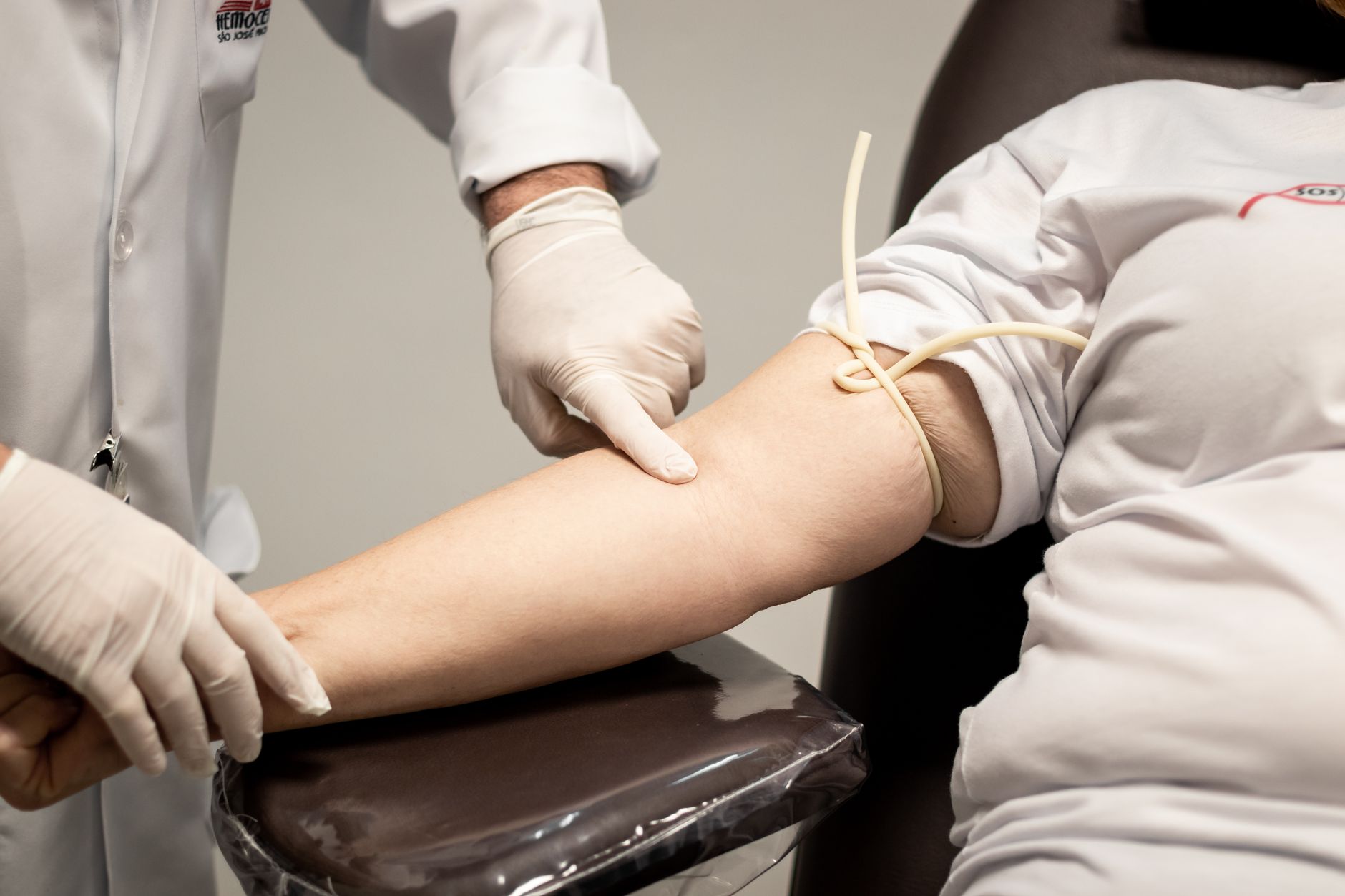
How Many Sticks for Phlebotomy Certification, Exam by Exam
Every national phlebotomy exam asks you to prove you can draw blood from real people. The counts differ a lot:
| Credential | Venipunctures | Skin or capillary punctures | Other requirement |
|---|---|---|---|
| NHA CPT | 30 | 10 capillary sticks | On live people, on both the training and work routes |
| AMT RPT | 50 | 10 skin punctures | Every route, including work experience |
| ASCP PBT, route 2 | 100 successful, unaided | With 40 classroom hours, within the last 5 years | |
| ASCP PBT, route 1 | Set by the NAACLS program | A NAACLS-accredited or approved program | |
| NCCT NCPT | Set by the NCCT-authorized program | Or 1 year of full-time work | |
| California CPT I | 50 | 10 skin punctures | Plus observing arterial punctures |
| California LPT | 25 skin punctures on patients | Skin punctures only | |
| California CPT II | 20 arterial punctures, plus 1,040 work hours |
Blank cells mean that credential sets no separate figure for that column.
The spread runs from 30 venipunctures for the NHA to 100 for ASCP route 2. That gap shapes which program you need. A short course can get you to 30; reaching 100 usually takes a semester program or a long externship.
Venipuncture Requirements in Phlebotomy Programs
Programs set their own counts, often above the exam minimum. Among the 99 programs on this site that state a required draw count, the median is 50. Here’s how some of them set the bar:
| School | Required draws | Clinical time | Exam |
|---|---|---|---|
| Mayo Clinic College of Medicine and Science, MN | At least 100 venipunctures in the outpatient setting before moving to the hospital | Outpatient and hospital settings | NHA CPT, ASCP PBT |
| Columbus State Community College, OH | 100 venipunctures (60 unaided in one course, 40 in the next) | At least 100 hours | ASCP PBT |
| Lackawanna College, PA | At least 100 venipunctures and 10 dermal punctures | Supervised externship | NHA CPT |
| Calhoun Community College, AL | 100 documented draws on patients before the exam | Optional 1- or 2-week rotation ($249) | ASPT CPT |
| Modesto Junior College, CA | At least 50 venipunctures, stretch goal 100 or more | 40-hour externship in one week | NHA CPT, CPT I |
| Pro Med Career Institute, CA | At least 50 venipunctures and 10 skin punctures | 40-hour externship | NHA CPT, CPT I |
| Institute for Business and Technology, CA | At least 50 draws and 10 skin punctures | 160-hour externship | NCCT NCPT, CPT I |
Two things stand out. California programs cluster at 50 venipunctures and 10 skin punctures, which matches the state’s CPT I rule. And programs aiming at the ASCP exam, like Columbus State, set 100, matching route 2.
Why the Draw Count Matters More Than the Hours
A program can list a lot of hours and still leave you short of draws. Classroom hours, lab practice on training arms and classmates, and clinical hours on patients are three different things, and only the last counts toward the exam.
The Regional Center for Border Health in Somerton, Arizona, shows how seriously some programs take this. Its 2-week, 40-hour course isn’t for beginners: entry requires prior training or a year of experience that already includes at least 30 venipunctures and 10 capillary sticks.
Calhoun Community College shows the other side. Its 9-week Saturday course costs $799, and you need 100 documented draws before its exam, but the clinical rotation where you get them is an optional $249 add-on. If you skip it, you finish the class without the draws.
How Many Clinical Hours Get You the Draws
Clinical hours are the time you spend drawing blood under supervision. Across the 225 programs that state clinical hours, the median is 100. Some programs give much more:
- Vanguard-Sentinel Adult Career and Technology Center in Fremont, Ohio: 320 externship hours in a 900-hour program.
- Westmoreland County Community College in Pennsylvania: a 224-hour unpaid practicum, weekday daytime.
- Northwest Technology Center in Alva, Oklahoma: a 210-hour practicum in a clinic, physician’s office or lab.
- Pima Medical Institute-Phoenix: a 160-hour externship after 140 class and lab hours.
More hours on a busy hospital floor generally mean more chances to draw. But hours don’t guarantee a count, so check whether the program states a required number as well. The most venipunctures ranking lists programs by the draws they require.
Venipuncture and Skin Puncture Minimums by Exam
| Credential | Venipunctures | Skin punctures |
|---|---|---|
| NHA CPT draw minimum | 30 | 10 |
| ASCP PBT draw minimum | 100 | |
| AMT RPT draw minimum | 50 | 10 |
| NCCT NCPT draw minimum | ||
| California CPT I (state certificate) | 50 | 10 |
Lowest count on each body's training routes (ASCP: route 2; NCCT's routes set no count). From each body's page, read 2026-11-13, and CDPH for California.
99 programs state a count. Ticks mark the exam minimums.
How Many Draws Phlebotomy Programs Require
| Required venipunctures | Programs |
|---|---|
| Under 30 | 3 |
| 30 to 49 | 39 |
| 50 to 99 | 17 |
| 100 or more | 40 |
- Franciscan Missionaries of Our Lady University: 125 venipuncturesBaton Rouge, LA
- Olney Central College: 100 venipuncturesOlney, IL
- Hagerstown Community College: 100 venipuncturesHagerstown, MD · 100 clinical hours
- Rutgers School of Health Professions: 100 venipuncturesNewark, NJ · 100 clinical hours
- Monroe 2-Orleans BOCES Center for Workforce Development: 100 venipuncturesRochester, NY
- Mercy College of Ohio: 100 venipuncturesToledo, OH · 100 clinical hours
- Wilson Community College: 100 venipuncturesWilson, NC · 40 clinical hours
- Bucks County Community College: 100 venipuncturesNewtown, PA · 120 clinical hours
- Harcum College: 100 venipuncturesBryn Mawr, PA · 100 clinical hours
- Mayo Clinic College of Medicine and Science: 100 venipuncturesRochester, MN
Where You Practice Before Live Draws
Programs build up to patient draws in stages. Most start on training arms in a skills lab, then move to classmates, then to patients:
- Tennessee College of Applied Technology-Knoxville says its students practice live sticks on each other.
- Mayo Clinic moves you from outpatient draws to the hospital only after 100 outpatient venipunctures.
- Modesto Junior College sets a minimum of 50 successful venipunctures with a stretch goal of 100 or more during a one-week, 40-hour externship.
Practice on classmates is useful, but read whether the program counts those sticks toward its required total or only counts patient draws. The exam bodies care about documented draws on live people in a training or work setting.
Draw Requirements on the Work-Experience Routes
If you already draw blood at work, the counts still apply, but the routes change:
- NHA CPT: 1 year of supervised phlebotomy work in the last 3 years (or 2 years in the last 5), plus the same 30 venipunctures and 10 capillary sticks.
- AMT RPT: 1,040 hours of phlebotomy work in the past 3 years, which is 26 weeks at 40 hours a week, plus 50 venipunctures and 10 skin punctures.
- ASCP PBT, route 3: 1 year of full-time phlebotomy work (35 hours a week) within the last 5 years.
- NCCT NCPT: 1 year of full-time phlebotomy work within the past 5 years.
California treats experienced phlebotomists differently too. With 40 to 1,039 hours of work in the past 5 years, you take 40 classroom hours plus 40 clinical hours. With 1,040 hours or more, you take 20 hours of advanced classroom training. Either way, you still document 50 venipunctures and 10 skin punctures for CPT I.
Skin Punctures and Capillary Sticks
Venipuncture gets the attention, but most credentials also ask for skin punctures, the finger or heel sticks used for small samples:
- The NHA asks for 10 capillary sticks, and AMT and California’s CPT I each ask for 10 skin punctures.
- California’s Limited Phlebotomy Technician, a skin-puncture-only credential, asks for 25 skin punctures on patients after 20 hours of basic classroom training.
- Lackawanna College requires 10 dermal punctures alongside its 100 venipunctures.
The skin-puncture counts sit at 10 for every national exam that sets one, while venipuncture counts run from 30 to 100. So when you compare programs, the venipuncture number is the one that separates them. Log both as you go, because the exam bodies ask you to document each kind separately, and a missing skin-puncture count can hold up an application just as a missing venipuncture count can.
Who Each Requirement Level Suits
- You want the quickest exam: the NHA CPT’s 30 venipunctures and 10 capillary sticks. Look for a short program with clinical time built in.
- You want a hospital lab credential: ASCP route 2’s 100 unaided venipunctures, or a NAACLS program for route 1. Columbus State and Lackawanna both require 100.
- You’re in California: CPT I’s 50 venipunctures and 10 skin punctures, from a CDPH-approved program. See the California requirements.
- You want to be confident on day one: a program with a stretch goal, like Modesto’s 100 or more, or a long externship.
Your Draw-Count Checklist
- Know your exam’s number before you choose a program: 30, 50 or 100 venipunctures.
- Find the program’s stated count on its page, not just its hours.
- Confirm the clinical rotation is in the price, not an optional add-on.
- Keep your own log of every successful draw, with the date and site.
- Read whether classmate sticks count or only patient draws.
Compare the exams in full in the phlebotomy certification guide, match your draws to an exam with the certification checker, or see the programs with the most clinical time on the externship ranking.
Frequently Asked Questions
Do Practice Sticks on a Training Arm Count?
No. The NHA asks for venipunctures and capillary sticks on live people, and ASCP route 2 asks for successful unaided venipunctures in clinical training. Training arms are for practice before you draw from people.
What Is a Capillary Stick?
A skin puncture, usually on a fingertip, to collect a small blood sample. The NHA asks for 10 capillary sticks and AMT for 10 skin punctures alongside venipunctures.
What Does Unaided Venipuncture Mean?
A draw you perform yourself without the instructor taking over. ASCP route 2 asks for at least 100 successful unaided venipunctures within the last 5 years, with 40 classroom hours.
Do You Need Arterial Punctures for Phlebotomy Certification?
Not for the national exams. California's CPT I asks you to observe arterial punctures, and its CPT II needs 20 arterial punctures plus 1,040 hours of work.
Who Signs Off on Your Draws?
Your program documents them during clinical training. At Calhoun Community College, 100 documented draws on patients are required before the exam, and Lackawanna College requires at least 100 documented venipunctures and 10 dermal punctures.
Keep Reading
- Phlebotomy CertificationThe four national phlebotomy exams side by side: who can sit each one, the live-draw counts and hours they ask for, fees, renewal and which programs prepare you
- License vs CertificationThe difference between a state phlebotomy license or certificate and a national certification, and which states require a state credential
- How to Become a PhlebotomistThe training program, supervised blood draws, national exam and state rules that take you from no experience to a phlebotomy job
- Phlebotomy Training CostWhat phlebotomy courses and certificates cost, from the prices schools publish, what the price includes and what it leaves out
- How Long Training TakesHow many weeks, classroom hours and clinical hours phlebotomy programs take, from programs checked on schools' own pages
- Best Phlebotomy ProgramsEvery verified program, ranked
- Phlebotomy License Requirements by StateThe four states that require a state credential
Sources
- NHA: Certified Phlebotomy Technician (CPT)
- ASCP Board of Certification: Phlebotomy Technician (PBT)
- AMT: Registered Phlebotomy Technician (RPT)
- CDPH: CPT I requirements
- National Healthcareer Association (NHA): Certified Phlebotomy Technician (CPT) eligibility, read 2026-11-13
- ASCP Board of Certification: Phlebotomy Technician, PBT(ASCP) eligibility, read 2026-11-13
- American Medical Technologists (AMT): Registered Phlebotomy Technician (RPT) eligibility, read 2026-11-13
- National Center for Competency Testing (NCCT): National Certified Phlebotomy Technician (NCPT) eligibility, read 2026-11-13
- California Department of Public Health, Laboratory Field Services: Certified Phlebotomy Technician I (CPT I), read 2026-11-13