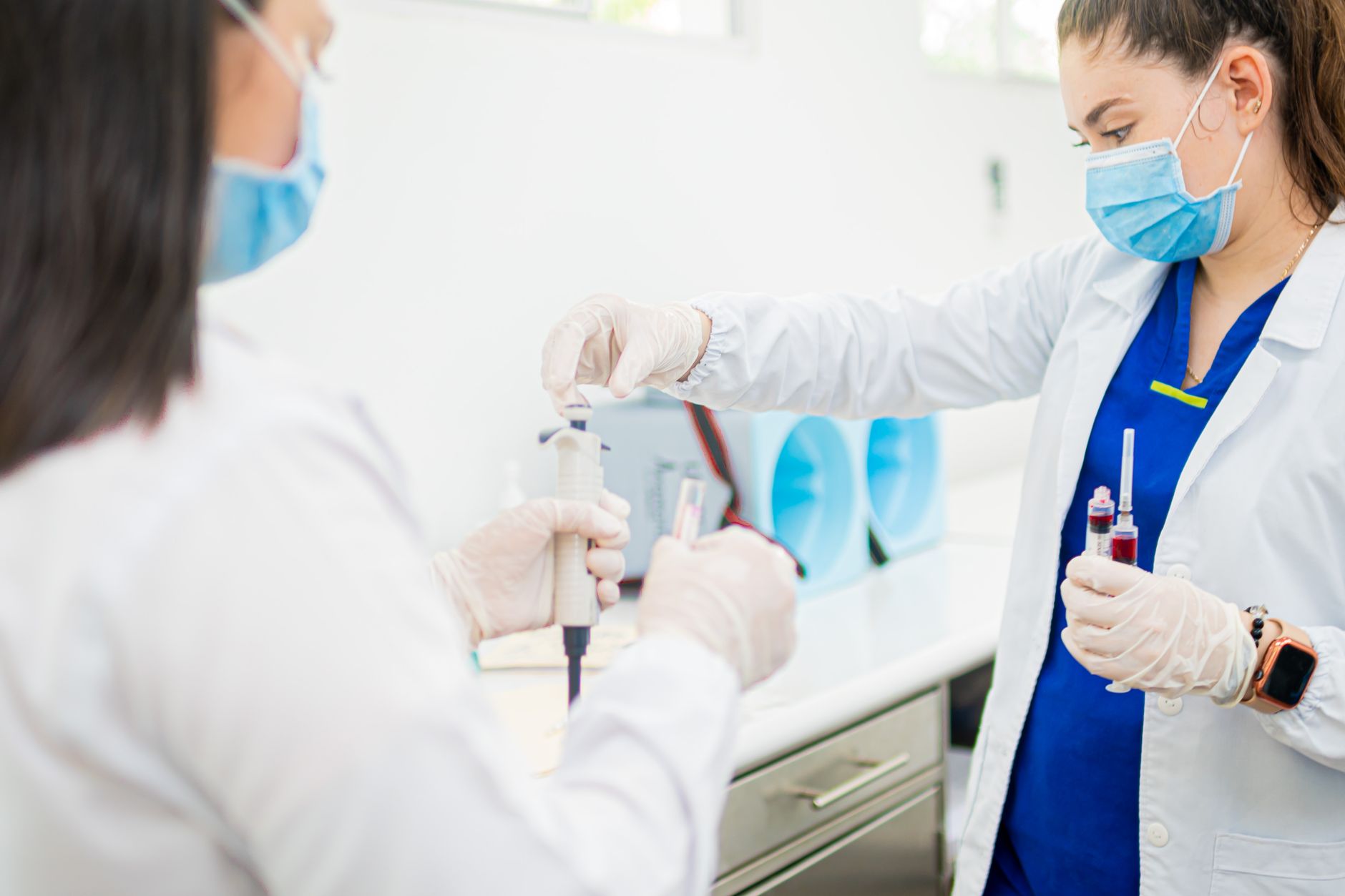
What a Phlebotomy Externship Is
Schools use several names for it: externship, practicum, internship, clinical rotation. They all mean the same thing. After classroom and lab work on training arms and classmates, you spend a set number of hours at a hospital, reference lab, clinic or draw center, drawing blood from patients while a working phlebotomist watches.
That’s where you build speed and confidence, and it’s where you collect the live draws the certifying bodies ask you to document.
This ranking orders 225 programs at 221 schools in 45 states by the clinical or externship hours their own pages state. The median is 100 hours. Ties go to the program with the higher overall score.
The Programs With the Longest Externships
- Vanguard-Sentinel Adult Career and Technology Center in Fremont, Ohio, runs a 900-hour Diversified Medical Occupations program with a phlebotomy specialty: 580 classroom hours and 320 externship hours. It prepares you for the AMT RPT.
- Westmoreland County Community College in Youngwood, Pennsylvania, runs a 16-credit, one-semester certificate. The second 8 weeks are a 224-hour unpaid clinical practicum at an assigned site, during the day. Tuition is $143 per credit in-county.
- Northwest Technology Center in Alva, Oklahoma, runs a 480-hour program in half-day sessions with a 210-hour practicum in a clinic, physician’s office or lab.
- Columbus Technical College in Georgia gives 180 hours of clinical experience in a hospital or clinic lab, then AMT exam eligibility.
- Massachusetts Bay Community College, National Career Education and the Pima Medical Institute campuses all give 160 hours.
Externship Hours Compared
| Program |
Where |
Externship hours |
Total program |
Exam named |
| Vanguard-Sentinel CTC |
Fremont, OH |
320 |
900 hours |
AMT RPT |
| Westmoreland County CC |
Youngwood, PA |
224 (unpaid) |
16 credits |
AMT RPT |
| Northwest Technology Center |
Alva, OK |
210 |
480 hours |
NHA CPT |
| Columbus Technical College |
Columbus, GA |
180 |
|
AMT RPT |
| MassBay CC |
Wellesley Hills, MA |
160 |
6 credits |
|
| National Career Education |
Citrus Heights, CA |
160 |
720 clock hours |
NCCT NCPT |
| Institute for Business and Technology |
San Jose, CA |
160, 50 sticks |
720 clock hours |
NCCT NCPT, CPT I |
| Pima Medical Institute-Houston |
Houston, TX |
160 |
140 hours plus externship |
NHA CPT and others |
| Miles CC |
Miles City, MT |
135 (unpaid) |
25 credits |
ASCP PBT |
| Nash CC |
Rocky Mount, NC |
128 (unpaid) |
236 hours |
ASCP PBT |
A blank cell means the school’s page states no figure for that column.
How Many Hours Do You Need?
Each exam sets its own floor, and the externship is where you meet it.
- NHA CPT: 30 venipunctures and 10 capillary sticks on live people.
- AMT RPT: 50 venipunctures and 10 skin punctures on every route. AMT also has a route for 40 classroom hours plus 160 hours of guided phlebotomy work.
- ASCP PBT: without a NAACLS program, 40 classroom hours plus at least 100 successful unaided venipunctures.
- California CPT I: 40 clinical hours in a CDPH-approved program, plus 50 venipunctures and 10 skin punctures.
Hours and draws don’t line up one to one, so a stated stick count is worth checking as closely as the hours. Among the 42 externship programs that state one, the median is 100. The venipuncture requirements guide and the most venipunctures ranking go deeper.
Low-Cost Programs With Real Clinical Hours
A long externship doesn’t have to cost much. North Carolina’s continuing education courses pair low prices with 80 to 126 clinical hours.
Compare that with programs that charge more for less clinical time. Abrams College in Modesto lists $3,750 for 3 weeks including a 40-hour externship. Gifted Hands Academy in Indiana lists $5,500 all-inclusive with 16 hours of onsite clinical training. Price tells you very little about clinical time, so always check the hours.
Externship Programs With Published Pass Rates
Seven externship programs publish pass rates, and their median is 99%.
- Columbus State Community College requires at least 100 clinical hours and 100 sticks, and reports 100% certification, completion and placement for 2024-25.
- Miles Community College in Montana requires at least 135 hours of unpaid clinical lab experience and reports a 100% ASCP pass rate and 100% placement since 2013.
- Moraine Valley Community College gives 108 clock hours at a partner hospital or lab and reports a 92% ASCP pass rate for 2025.
- Nash Community College reports a 100% pass rate for 2024-25 but 73.3% completion. That gap is worth knowing: across these programs the median completion rate is 73%, so plenty of students don’t make it through the clinical part.
Which Exams Externship Programs Lead to
157 of the 225 programs name a national exam. The NHA CPT comes first (82 programs), then the ASCP PBT (59), the AMT RPT (19) and the NCCT NCPT (12). Some name several: Pima Medical Institute-Houston lists the NHA, ASCP, AMT, NCCT and NPA exams for its 140-hour program with a 160-hour externship.
Long externships line up well with the AMT and ASCP. Vanguard-Sentinel, Westmoreland and Columbus Technical College all point you to the AMT RPT, which needs 50 venipunctures and 10 skin punctures. Miles, Nash, Roanoke-Chowan and Robeson point you to the ASCP PBT. Only 9 externship programs are NAACLS-approved, so for most ASCP-track programs here the 100-draw route is the one that applies.
26 programs include the exam fee or a voucher in the price. The rest leave it to you, so count it when you compare.
Credit or non-credit matters less here than you might think. 140 of the externship programs are non-credit courses and 82 are credit certificates, and both kinds appear at the top of the hours ranking.
Hospital-Run Programs and Clinical Training
Some of the strongest externships come from programs a hospital system runs itself, because the clinical part happens on its own floors.
- WellSpan Health in York, Pennsylvania, runs seven weeks: two weeks of classroom, then 150 hours of clinical training at WellSpan sites, with shifts starting as early as 5 a.m. It lists $1,000 for 2027, textbooks included, and leads to ASCP eligibility.
- Kaiser Permanente School of Allied Health Sciences in Richmond, California, spends weeks 5 to 8 of its 9-week program in full-time clinical rotation at Kaiser facilities, 160 hours in all.
- Panola College in Texas isn’t hospital-run, but it gives 150 clinical hours at several sites after an evening classroom session, for $1,388 with the NHA test fee included.
In California, every CPT I program has to include at least 40 clinical hours inside the approved program. Many sit right at that line. Modesto Junior College packs a 40-hour externship into one week, Monday to Friday, 8 hours a day.
Plan Around the Externship Schedule
This is the part that catches career changers. Classes can be in the evening, but externships almost always run on weekday daytime shifts, because that’s when hospitals and labs draw blood.
- Arapahoe Community College runs its 120-hour internship over 3 consecutive weeks, Monday to Friday, 8 hours a day, and offers no evening or weekend internships.
- Bates Technical College runs 120 clinical hours, weekdays 7:30 a.m. to 5 p.m.
- Wilson Community College runs 40 hours in a clinical lab on weekdays, and weekend hours may be required.
- Nash Community College’s clinical runs about 8 hours a day at contracted facilities.
If you work full time, plan the externship weeks before you enroll. Arapahoe’s alone is 3 straight weeks of 8-hour weekdays. The evening and weekend classes ranking shows which programs keep the classroom part after hours.
How to Choose a Program With a Strong Externship
- Find the stated hours. Look for a number. The median is 100, and the strongest programs give 160 or more.
- Find the stated stick count. A program that guarantees 100 sticks covers every national exam’s minimum.
- Ask where the sites are. A rotation across town is different from one two hours away.
- Check whether placement is guaranteed. Programs that assign you a site save you from hunting for one.
- Match the hours to your exam and state. California needs 40 clinical hours inside a CDPH-approved program; see the license requirements.
The program finder filters by clinical hours and state. To compare total costs, use the cost comparer, and for overall quality, start with the best phlebotomy programs.